Breast Reconstruction After Mastectomy Southlake
Conveniently located to serve the areas of Dallas, North Dallas, Southlake and the mid-cities.Breast reconstruction after mastectomy is a profoundly personal step in the healing process. For many women, restoring the breast shape and contour provides emotional closure after breast cancer treatment. Dr. Ameen Habash performs reconstructive breast surgery with a focus on safety, aesthetics, and patient well-being, supporting women throughout Dallas, North Dallas, Southlake, and the Mid-Cities region.
Jump to:
What Is Breast Reconstruction After Mastectomy?
Breast reconstruction after mastectomy recreates the breast mound using implants, natural tissue, or a staged approach with tissue expanders. Reconstruction may be performed at the same time as the mastectomy or delayed until cancer treatment is complete. The goal is to rebuild a natural-looking breast that aligns with your anatomy and your preferences.
Benefits of Breast Reconstruction After Mastectomy
Breast reconstruction can help restore physical balance and emotional comfort after breast removal. Patients often report feeling more confident in clothing, regaining a sense of wholeness, and finding reassurance in a result that looks natural to their body. Reconstruction also enables Dr. Habash to address symmetry, recreate the nipple-areola complex, and refine details that contribute to a softer, more natural breast shape.
Who Is an Ideal Candidate for Breast Reconstruction?
You may be a good candidate for post-mastectomy breast reconstruction if:
- You have completed or are planning a mastectomy or lumpectomy, and want to restore breast shape
- You are medically stable, no longer undergoing active infection or uncontrolled cancer treatment
- You have realistic expectations about scarring, the healing timeline, and achievable results
- You are not pregnant or breastfeeding and do not smoke
- You are willing to follow all pre-operative and post-operative instructions for safe healing
Women undergoing chemotherapy or radiation can still pursue reconstruction; timing and technique simply become individualized.
What to Expect During Your Breast Reconstruction Consultation
Your consultation with Dr. Habash is a supportive, judgment-free space. He will:
- Review your cancer history, medical records, and prior treatments
- Examine the chest area and discuss your goals in detail
- Review photos to help clarify your aesthetic preferences
- Outline immediate vs. delayed reconstruction options
- Explain surgical steps, recovery timelines, and expected outcomes
- Answer every question so you feel fully informed and confident
How Breast Reconstruction Surgery Works
Breast reconstruction is performed under general anesthesia. Incisions are tailored to your mastectomy pattern and reconstruction choice. Depending on your plan, reconstruction may involve autologous tissue (your own tissue), implant-based methods, fat grafting, or staged expansion.
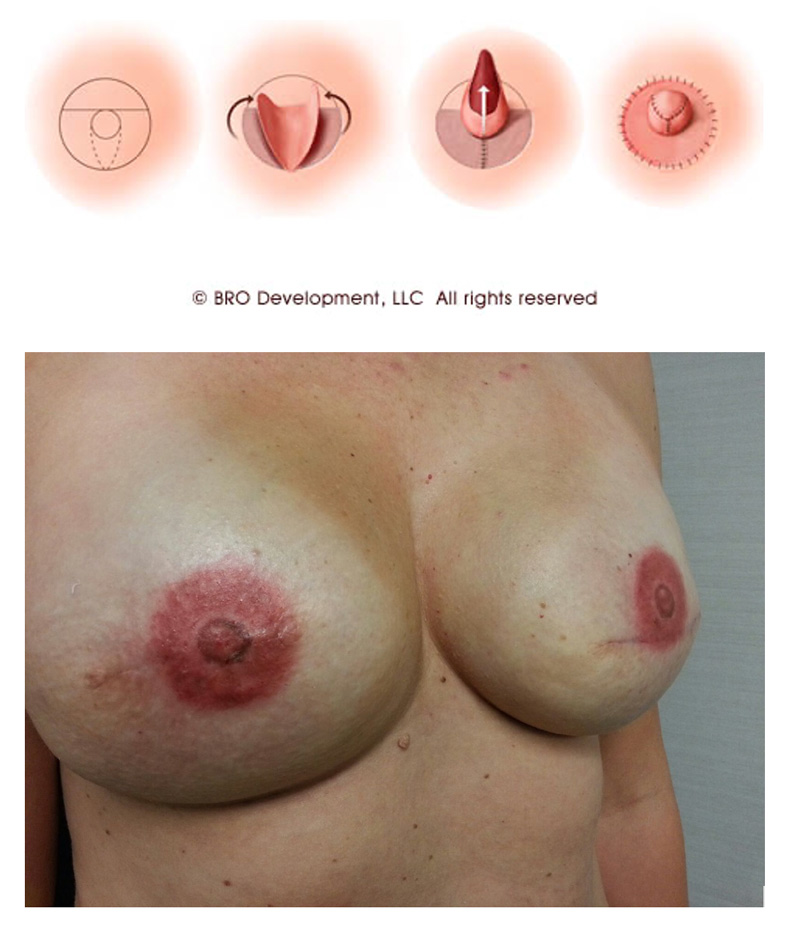
Dr. Habash may also reconstruct the nipples and areolae during the same surgery or at a later stage. Drains are often placed temporarily to manage fluid buildup, and a soft supportive garment is used to protect the area and maintain shape as you heal.
Hospital stays typically last from one to two days for observation and early recovery before patients return home.
Your Breast Reconstruction Options
Breast reconstruction can be approached in several ways, depending on your anatomy, medical needs, and cosmetic goals.
Autologous (Natural Tissue) Reconstruction
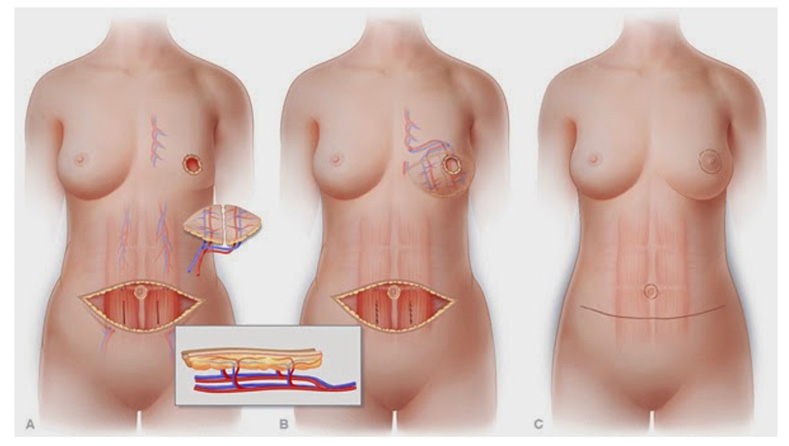
This method uses your own tissue from the abdomen, back, thighs, or buttocks to create a soft, natural breast mound. The transplanted tissue is connected to local blood vessels, providing a long-lasting, natural feel. Many women appreciate that autologous tissue adapts to their changing bodies over time.
Implant-Based Breast Reconstruction
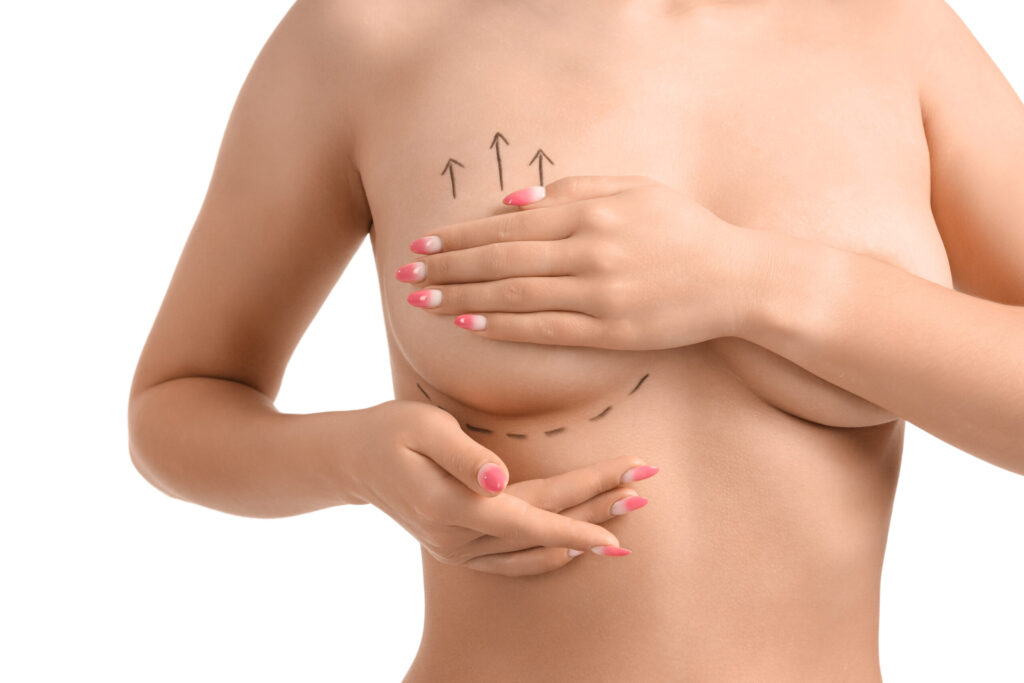
Implants made of saline or silicone can be placed above or below the chest muscle. Implant-based reconstruction is often less invasive than flap surgery and may involve staged expansion beforehand if additional space is needed under the skin.
Hybrid or Staged Techniques
Some patients benefit from a combined approach using fat grafting, implants, and tissue expansion to refine shape, softness, and symmetry.
Dr. Habash explains each method in detail and helps you choose the option that best matches your body and treatment plan.
Understanding Tissue Expanders in Breast Reconstruction
Tissue expanders are temporary devices placed after a mastectomy to gradually stretch the skin and create room for an implant or flap reconstruction. Over several appointments, the expander is slowly filled with saline to make the necessary space. Once expansion is complete, the expander is replaced with a permanent implant or natural tissue.
This staged approach is beneficial for women who have had limited skin preserved during mastectomy or those planning radiation therapy.
What to Expect After Breast Reconstruction Surgery
Recovery varies based on the method used, but most patients need several weeks before resuming everyday activities. You can expect:
- Mild to moderate soreness managed with prescribed medication
- Swelling and bruising that gradually improve
- Restrictions on heavy lifting and strenuous activity for several weeks
- Follow-up appointments to monitor healing and remove drains
- Gradual return to regular routines within four to six weeks
Dr. Habash and his team guide you through every phase of recovery, providing clear instructions and consistent support.
How Much Does Breast Reconstruction Cost?
Most breast reconstruction procedures are covered by health insurance under the Women’s Health and Cancer Rights Act. Your exact costs depend on the techniques used, anesthesia fees, facility costs, and any staged procedures that may be performed. During your consultation, a detailed cost breakdown will be provided so you understand what is covered and what to expect.
Why Patients Trust Dr. Ameen Habash
Dr. Ameen Habash is a board-certified plastic surgeon with advanced training in reconstructive breast surgery and a strong dedication to supporting women through cancer recovery. He combines surgical precision with genuine compassion, taking time to understand each patient’s story and goals.
Patients appreciate his straightforward communication style, his collaborative approach, and the reassuring environment he cultivates with his staff. His Southlake practice serves patients throughout Dallas, North Dallas, and the Mid-Cities region seeking expert, aesthetic, and emotionally supportive reconstructive care.
FAQs About Breast Reconstruction After Mastectomy
Schedule Your Breast Reconstruction Consultation
If you are considering breast reconstruction after mastectomy, Dr. Habash is here to guide you with clarity, warmth, and expertise. Schedule a consultation to discuss your options and take the next step toward healing and restoration.