
How to Choose the Best Breast Reconstruction Method for Your Body Type
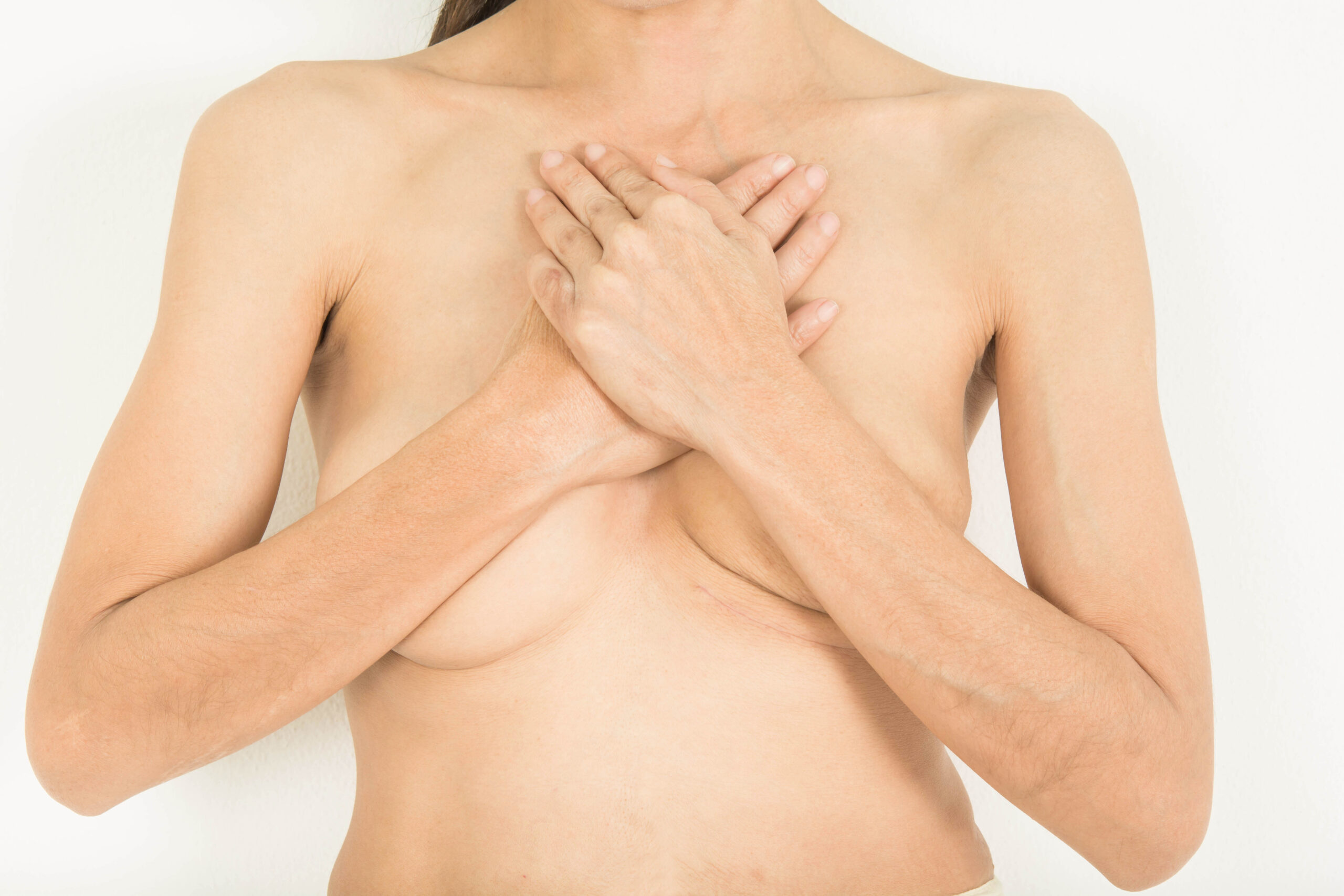
Breast reconstruction after mastectomy is a medical decision that depends on anatomy, health history, and cancer treatment plans. While many people focus on appearance, the method that works best is typically determined by how the body heals and the availability of tissues for reconstruction.
Understanding how reconstruction options differ can help patients have more informed conversations with their care team.
What Breast Reconstruction Surgery Is Designed to Do
Breast reconstruction surgery aims to restore breast shape after mastectomy or lumpectomy. It can be performed at the same time as cancer surgery or months to years later.
Reconstruction does not reverse cancer treatment and does not restore normal breast sensation in most cases. Instead, it focuses on recreating contour and balance using implants, body tissue, or a combination of techniques.
Not everyone chooses reconstruction, and outcomes related to quality of life can be similar for people who do and do not pursue it.
The Two Primary Breast Reconstruction Methods
Most post-mastectomy breast reconstruction falls into two main categories.
Implant-based reconstruction uses a saline or silicone implant to recreate breast volume. This may be done in stages, often beginning with a tissue expander.
Autologous reconstruction, also called flap reconstruction, uses tissue taken from another part of the body, such as the abdomen or thighs, to form the breast.
Some patients undergo a combined approach. Others choose no reconstruction. Each option has different medical considerations.
How Body Type Affects Reconstruction Options
Body type plays a practical role in determining which reconstruction methods are possible.
Chest width and breast footprint influence implant size and placement. Skin thickness and elasticity affect how well the skin can accommodate an implant or reshaped tissue.
Autologous reconstruction requires enough donor tissue. Patients with very low body fat or those who have undergone prior abdominal surgery may have fewer flap options.
Muscle strength, posture, and physical demands also play a role. Specific flap procedures involve donor sites that may affect strength or endurance during recovery.
These factors are assessed during a mastectomy reconstruction consultation.
Implant-Based Reconstruction: Key Considerations
Implant reconstruction is commonly used and may be appropriate for patients who prefer a shorter initial surgery or lack donor tissue.
Advantages may include predictable breast volume and avoidance of a second surgical site. Recovery from the initial procedure may be shorter compared with some flap surgeries.
Potential risks include infection, implant displacement, rupture, and capsular contracture, which occurs when scar tissue tightens around the implant. Implants may also require replacement later in life.
Autologous (Flap) Reconstruction: Key Considerations
Autologous reconstruction uses the patient’s own tissue to recreate the breast mound.
This method may produce a breast that feels softer and changes naturally with weight fluctuations. It does not involve an implant.
Flap reconstruction usually involves longer surgery and recovery. Healing depends on adequate blood supply to the transferred tissue. Donor-site risks may include weakness, bulging, or fat necrosis.
Not all patients are candidates for this approach.
The Role of Radiation and Cancer Treatment
Radiation therapy can affect skin quality, elasticity, and healing capacity. It may increase the risk of complications for specific reconstruction methods.
As a result, reconstruction timing and technique are often adjusted in accordance with cancer treatment plans. Some patients delay reconstruction until radiation is complete. Others select methods that are more tolerant of radiation.
Coordination between oncology and reconstructive teams is vital in these cases.
Timing Options for Breast Reconstruction
Reconstruction can be performed immediately during mastectomy or delayed until cancer treatment is complete.
Immediate reconstruction may reduce the need for multiple surgeries. Delayed reconstruction allows time for healing and treatment completion.
Some patients choose to remain flat after a mastectomy. Studies show no significant differences in long-term quality of life, body image, or sexuality between patients who reconstruct and those who do not.
Nipple and Areola Reconstruction
If the nipple and areola are removed, they can often be recreated later using surgical techniques, medical tattooing, or a combination of both.
Nipple reconstruction restores appearance but typically does not restore normal sensation. Outcomes vary depending on anatomy and technique.
Questions Patients Often Ask During Consultation
Patients often have similar questions when discussing breast reconstruction:
How does radiation affect my options?
Radiation can alter skin elasticity and healing, potentially influencing the timing and choice between implants and tissue-based reconstruction.
How many surgeries are usually involved?
Many reconstruction plans involve more than one procedure, especially if tissue expanders, flap refinement, or nipple reconstruction are planned.
What scars should I expect?
Scars vary based on the technique and donor site, but surgeons aim to place them in a discreet location.
What recovery timelines are typical?
Recovery depends on the method used, with implant reconstruction often resulting in a shorter initial recovery period than flap procedures.
What complications are most likely to occur in my situation?
Risks vary by method and health factors and may include infection, healing issues, or changes related to implants or donor tissue.
Breast Reconstruction Care in the Dallas–Fort Worth Area
Patients in Dallas, North Dallas, Southlake, and the Mid-Cities region have access to multiple breast reconstruction options. Individualized evaluation helps determine which methods align with anatomy, health, and treatment goals.
A breast reconstruction surgery consultation with Dr. Ameen Habash provides an opportunity for you to review implant and autologous approaches in detail.